













Dolly Casino Login: Security Features and Account Access
Most players think casino login security is just about choosing a strong password. That's like believing a bank vault only needs a good lock on the front door. In 2026, account access systems operate as multi-layered security ecosystems where authentication protocols, session management, and behavioral monitoring work in concert to protect both your funds and personal data.
Security Architecture and Authentication
The Technical Foundation
The login infrastructure at Dolly Casino operates on a security framework that balances robust protection with seamless user experience. The authentication system employs SSL/TLS encryption protocols that establish secure connections before any credentials transmit across the network. This encryption standard, currently at TLS 1.3, creates an encrypted tunnel between your device and the server, rendering intercepted data useless to potential attackers.
The platform architecture separates authentication services from the main application servers. This segmentation means even if one system component experiences issues, the authentication layer maintains its integrity independently. Database credentials undergo hashing with bcrypt algorithms, storing passwords as irreversible cryptographic representations rather than plain text. The system never stores your actual password anywhere retrievable.
Q: How does the two-factor authentication system integrate with the login flow?
A: The 2FA implementation adds a verification step after password entry. Once you enable it in account settings, the system generates time-based one-time passwords through authenticator apps like Google Authenticator or Authy. Each code expires after 30 seconds, creating a moving target for potential attackers. The technical advantage here is that even if someone obtains your password through phishing or data breach, they cannot access your account without the secondary code generated on your physical device. The system supports backup codes for situations where you lose access to your authenticator, stored encrypted in your account profile.
Session Management Specifications
Session handling determines how the platform maintains your logged-in state across different interactions. The system generates unique session tokens upon successful authentication, storing them in secure, HTTP-only cookies that JavaScript cannot access. This prevents cross-site scripting attacks from stealing session data. Sessions expire after 30 minutes of inactivity, automatically logging you out to prevent unauthorized access if you leave your device unattended.
The platform tracks concurrent sessions, allowing you to view all active logins from your account dashboard. You can see which devices currently hold valid sessions, including browser type, operating system, IP address, and login timestamp. A single click terminates any session you don't recognize, immediately invalidating that session token server-side.
Technical Insight: The session token rotation mechanism generates new tokens periodically during active sessions, invalidating old ones. This limits the window of opportunity if a token somehow gets compromised during transmission.
Q: What happens at the server level when I click the login button?
A: The process initiates with credential validation against the encrypted database entries. The server retrieves your stored password hash, applies the same bcrypt algorithm to your entered password, and compares the results. This comparison happens in constant time to prevent timing attacks that might reveal information about password correctness through response delays. Upon successful validation, the authentication service queries your account status, checking for any flags like temporary suspension or verification requirements. It then generates the session token, establishes session parameters including expiration time, and returns the authentication response along with your account permissions level. The entire process typically completes in 200-400 milliseconds under normal server load.
Access Experience and Usability
Interface Design and Navigation
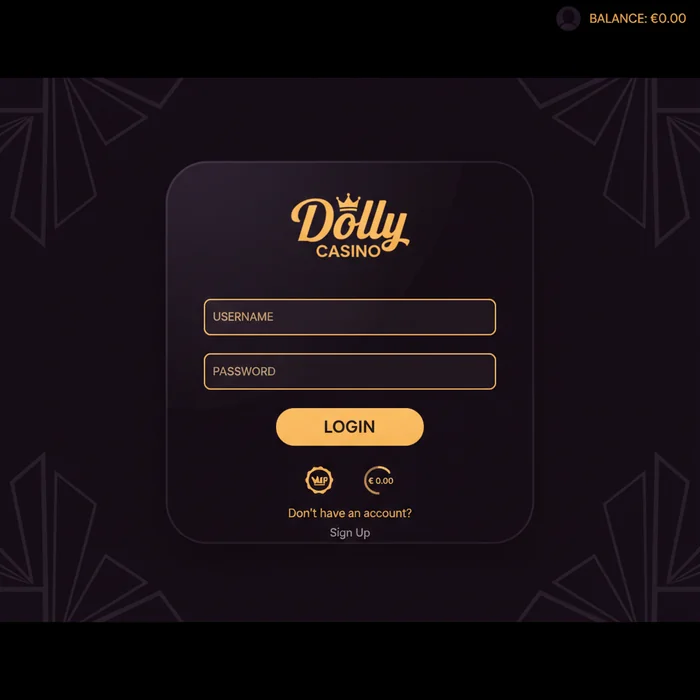
The login interface presents a clean, focused design that eliminates unnecessary distractions during the authentication process. The form fields include proper input type attributes, triggering appropriate keyboards on mobile devices. Email fields activate email-specific keyboards with @ symbols readily accessible, while password fields display masking characters and include a visibility toggle for verification before submission.
Form validation operates in real-time, providing immediate feedback when credentials don't meet requirements. The system distinguishes between format errors and authentication failures, helping you identify whether you've mistyped your email address or entered an incorrect password. Error messages appear inline below the relevant field rather than in generic alert boxes, maintaining context and reducing cognitive load.
Q: How does the mobile login experience differ from desktop?
A: Mobile optimization focuses on touch-friendly interface elements and streamlined input methods. The login button measures 48x48 pixels minimum, meeting accessibility standards for touch targets. The form automatically focuses on the email field when the page loads, bringing up the keyboard immediately on mobile devices. Biometric authentication options integrate with device capabilities, allowing fingerprint or face recognition on supported phones. The responsive design adjusts field spacing and button placement based on screen orientation, ensuring comfortable one-handed operation in portrait mode. Page load time on mobile networks averages under 2 seconds, with critical rendering path optimization ensuring the login form becomes interactive before all page assets finish loading.
Cross-Device Compatibility
The authentication system maintains consistency across platforms while adapting to device-specific capabilities. Desktop browsers support password managers through proper autocomplete attributes, allowing seamless integration with tools like LastPass, 1Password, or browser-native password storage. The system recognizes returning devices through secure fingerprinting techniques, potentially reducing 2FA frequency on trusted devices while maintaining security protocols.
| Platform | Authentication Methods | Average Login Time | Session Duration |
|---|---|---|---|
| Desktop Browser | Password, 2FA, Biometric (Windows Hello) | 3-5 seconds | 30 minutes idle |
| Mobile Browser | Password, 2FA, Touch/Face ID | 4-6 seconds | 30 minutes idle |
| Tablet | Password, 2FA, Biometric | 3-5 seconds | 30 minutes idle |
| Progressive Web App | All methods plus persistent login | 2-3 seconds | Extended on trusted devices |
Q: What makes the "remember me" functionality secure?
A: The remember me option extends session duration through encrypted persistent cookies stored on your device. Rather than keeping you permanently logged in, it stores an encrypted token that the server validates on subsequent visits. This token includes device fingerprint data, meaning it only works on the specific browser and device where you initially checked the box. The system invalidates these tokens after 30 days or if suspicious activity patterns emerge. You can revoke all remembered devices from your account security settings, which immediately invalidates all persistent tokens across all devices.
Account Recovery and Protection
Password Reset Mechanisms
The password recovery system balances accessibility with security verification. When you initiate a password reset, the platform sends a time-limited token to your registered email address. These tokens expire after 15 minutes, minimizing the window for potential interception. The reset link includes a cryptographically secure random string that cannot be predicted or brute-forced, ensuring only the legitimate email recipient can access the reset interface.
The reset process requires creating an entirely new password rather than selecting from previous passwords. The system maintains a password history, preventing reuse of your last five passwords. This forces regular password rotation without allowing circular reuse patterns. New password requirements include minimum length specifications, character diversity requirements, and comparison against common password databases to prevent easily guessable combinations.
Q: What safeguards prevent unauthorized password resets?
A: Multiple verification layers protect against malicious reset attempts. The system sends notification emails to your registered address whenever someone initiates a password reset, even if they don't complete the process. This alerts you to potential account targeting. Rate limiting restricts password reset requests to three attempts per hour from any single IP address, preventing automated attack scripts. If you have 2FA enabled, the system requires the authenticator code even during password reset, adding an extra verification layer. The platform also implements CAPTCHA challenges after failed login attempts or during password resets from unrecognized devices, distinguishing human users from automated bots.
Account Lockout Protocols
The system implements progressive lockout mechanisms that respond to suspicious authentication patterns. After three consecutive failed login attempts, the account enters a temporary lockout state lasting 15 minutes. This prevents brute-force attacks while allowing legitimate users who've forgotten their password to try again after a brief cooling period. The lockout counter resets upon successful authentication, so sporadic typos don't accumulate toward the threshold.
Security Note: The platform monitors login attempts across multiple accounts from single IP addresses. If one source attempts to access numerous accounts with failed credentials, the system implements IP-level rate limiting regardless of individual account lockout status.
Q: How does the system detect and respond to account compromise?
A: Behavioral analytics monitor login patterns including typical access times, geographic locations, device types, and session durations. When the system detects anomalies like logins from new countries, unusual betting patterns immediately following authentication, or rapid fund movement attempts, it triggers additional verification requirements. You might receive an email asking you to confirm the login attempt was legitimate, or the system might require 2FA verification even if you haven't enabled it by default. Significant deviations from your normal behavior patterns can trigger temporary account restrictions until you verify your identity through customer support channels. The monitoring operates continuously in the background without impacting normal user experience for legitimate account holders.
Advanced Security Features
Login Notification System
The platform sends real-time notifications for all account access events. You receive emails immediately when someone logs into your account, including details about the device, browser, operating system, and approximate geographic location based on IP address. These notifications serve as an early warning system, allowing you to respond quickly if you notice unauthorized access attempts.
The notification system operates independently from the main application, ensuring you receive alerts even if an attacker attempts to modify your account settings. You can configure notification preferences to include SMS alerts for particularly sensitive events like password changes or withdrawal requests initiated shortly after login.
| Security Feature | Implementation | User Control Level |
|---|---|---|
| Login Notifications | Email + Optional SMS | Fully customizable |
| Device Management | Active session tracking | Manual termination available |
| IP Whitelisting | Restrict access by location | Optional, user-configured |
| Activity Logs | 90-day retention | Read-only access |
| Withdrawal Delays | 24-hour security hold option | Optional activation |
Q: Can I restrict account access to specific locations or devices?
A: The advanced security settings include IP whitelisting functionality that limits account access to pre-approved IP addresses or geographic regions. This proves particularly useful if you only access your account from home and work networks. You can specify trusted IP ranges, and the system blocks all login attempts from outside those parameters. Device fingerprinting allows you to designate trusted devices, requiring additional verification steps when logging in from unrecognized hardware. These restrictions operate at the authentication layer, preventing login completion rather than just triggering alerts. The system maintains flexibility by allowing temporary exceptions through email verification, ensuring you're not locked out if you need to access your account while traveling.
Account Dashboard Security Controls
The security section within your account dashboard provides comprehensive control over authentication parameters. You can review your complete login history, showing timestamps, IP addresses, device information, and session durations for every access event over the past 90 days. This audit trail helps identify any suspicious patterns or unauthorized access attempts you might have missed in real-time notifications.
The dashboard includes a security score that evaluates your current protection level based on enabled features. It provides specific recommendations for improvement, such as enabling 2FA, updating old passwords, or reviewing trusted devices. This gamification element encourages proactive security practices without requiring technical expertise.
Q: What's the most overlooked security setting that significantly improves account protection?
A: The withdrawal delay feature remains underutilized despite offering substantial protection against account compromise. When enabled, this setting imposes a 24-hour waiting period on all withdrawal requests, regardless of when you initiated them. If an attacker gains access to your account and attempts to withdraw funds, this delay provides a critical window for you to notice the unauthorized activity through login notifications and cancel the transaction. The delay applies even to accounts with verified payment methods, operating as a cooling-off period that prioritizes security over immediate convenience. You can configure exceptions for specific payment methods you use regularly, maintaining protection while reducing friction for your normal withdrawal patterns.
Integration with Account Creation
Security considerations begin at account creation, where the registration process establishes foundational protection parameters. The signup process requires email verification before account activation, ensuring you control the registered address. This verification step prevents account creation using someone else's email address and establishes a secure communication channel for future security notifications.
During registration, the platform encourages but doesn't mandate 2FA activation. New users receive educational prompts explaining security features and their benefits, allowing informed decisions about protection levels. The system stores your initial device fingerprint and IP address as baseline data for future anomaly detection, building your behavioral profile from the first login.
Best Practice: Enable all available security features during initial account setup rather than adding them incrementally. This establishes strong protection from the start and creates a comprehensive baseline for behavioral monitoring systems.
Implementing Effective Login Security
Understanding the technical specifications behind Dolly Casino's authentication system reveals a sophisticated security architecture that operates largely invisibly to users. The platform balances robust protection mechanisms with streamlined user experience, ensuring security measures enhance rather than impede your gaming sessions.
The multi-layered approach combining encryption, session management, behavioral monitoring, and user-controlled security features creates a defense-in-depth strategy. No single point of failure can compromise your account, as each layer provides independent protection that compensates if another layer experiences issues.
Q: How should I configure my security settings for optimal protection without excessive friction?
A: Start by enabling 2FA through an authenticator app rather than SMS, as app-based codes resist SIM swapping attacks. Configure login notifications to alert you of all access events, but consider limiting SMS alerts to high-priority events like password changes or large withdrawals to avoid notification fatigue. Use the "remember me" function only on personal devices you control exclusively, never on shared or public computers. Enable the withdrawal delay feature if you don't need immediate fund access, as the 24-hour window provides substantial protection with minimal inconvenience. Review your active sessions weekly and terminate any you don't recognize. Finally, maintain a unique password for your casino account that you don't reuse across other services, stored in a reputable password manager for both security and convenience.
Next Steps for Account Security
Take these three immediate actions to maximize your account protection:
- Audit Your Current Security Configuration: Log into your account dashboard and review the security section. Check which features you've enabled, examine your recent login history for unfamiliar entries, and review your list of active sessions. Terminate any sessions you don't recognize and update your password if you notice suspicious activity.
- Enable Two-Factor Authentication: Navigate to security settings and activate 2FA using an authenticator app. Generate and securely store your backup codes in case you lose access to your authentication device. Test the system by logging out and back in to ensure the codes generate and validate correctly.
- Configure Notification Preferences: Set up login notifications to alert you of all account access events. Add your mobile number for SMS alerts on critical actions like password changes or withdrawal requests. Verify these notifications work by triggering a test event and confirming you receive the alert.
The technical infrastructure supporting account access at Dolly Casino represents current industry standards for online platform security. By understanding how these systems operate and actively engaging with available security features, you transform your account from a potential vulnerability into a well-protected asset. The platform provides the tools, but effective security requires your active participation in configuration and monitoring.